Idaho, Montana & Wyoming · 1872
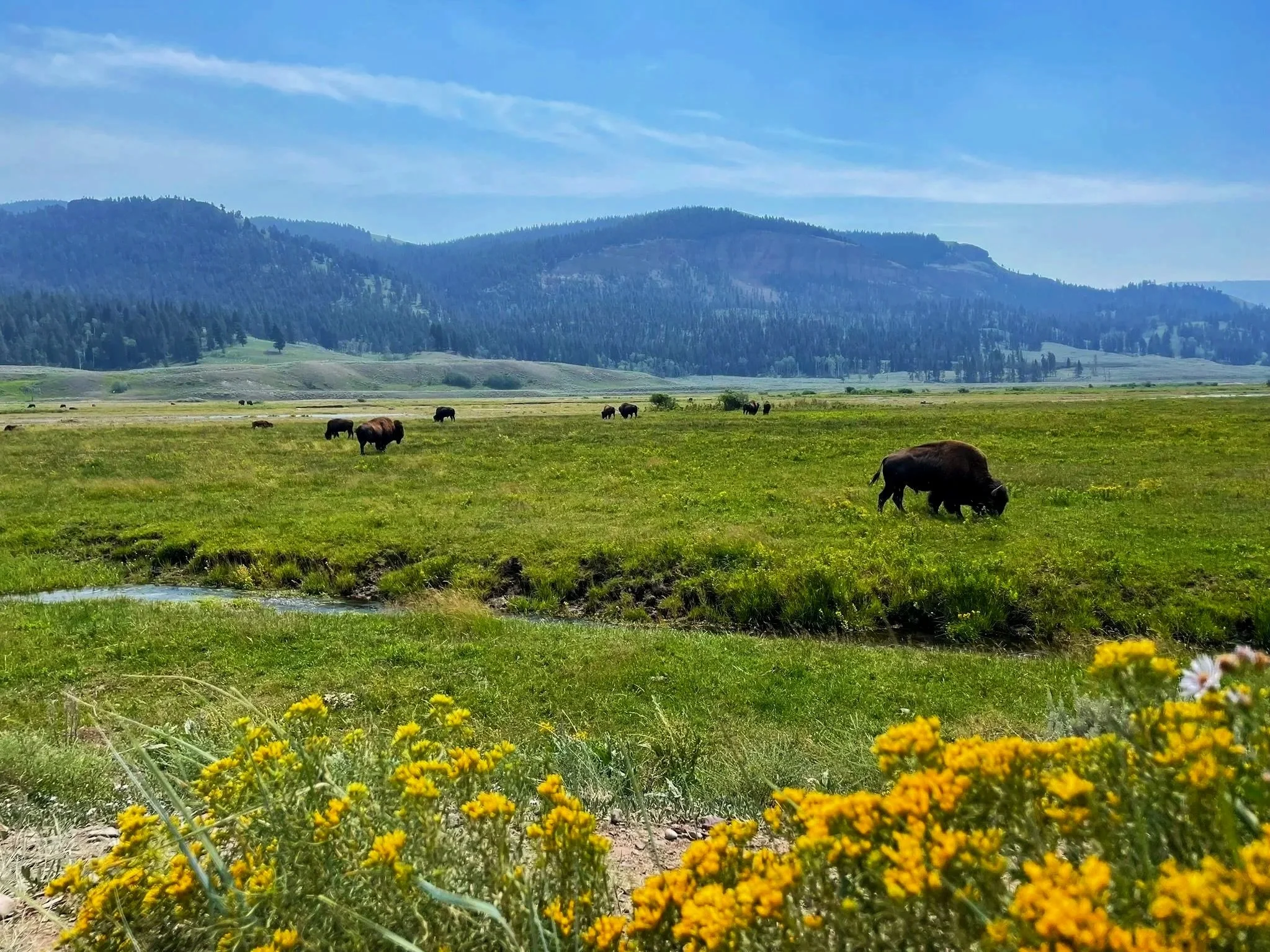
Few natural wonders rival Yellowstone in renown. The first national park in both the United States and the world, Yellowstone is home to the largest concentration of mammals in the lower 48 states, some 1,500 native plant species, and geological phenomena including more than 10,000 hydrothermal features.
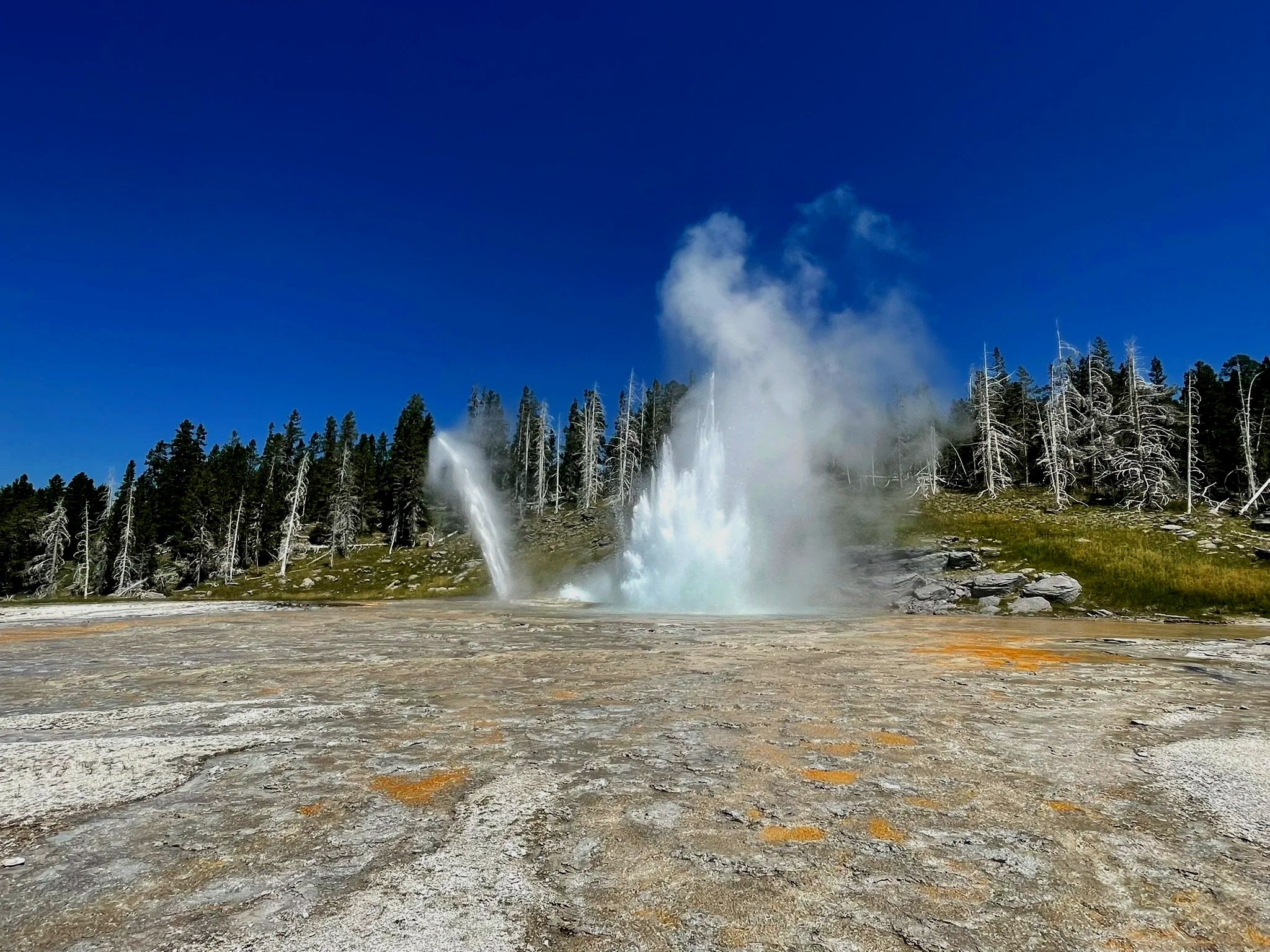
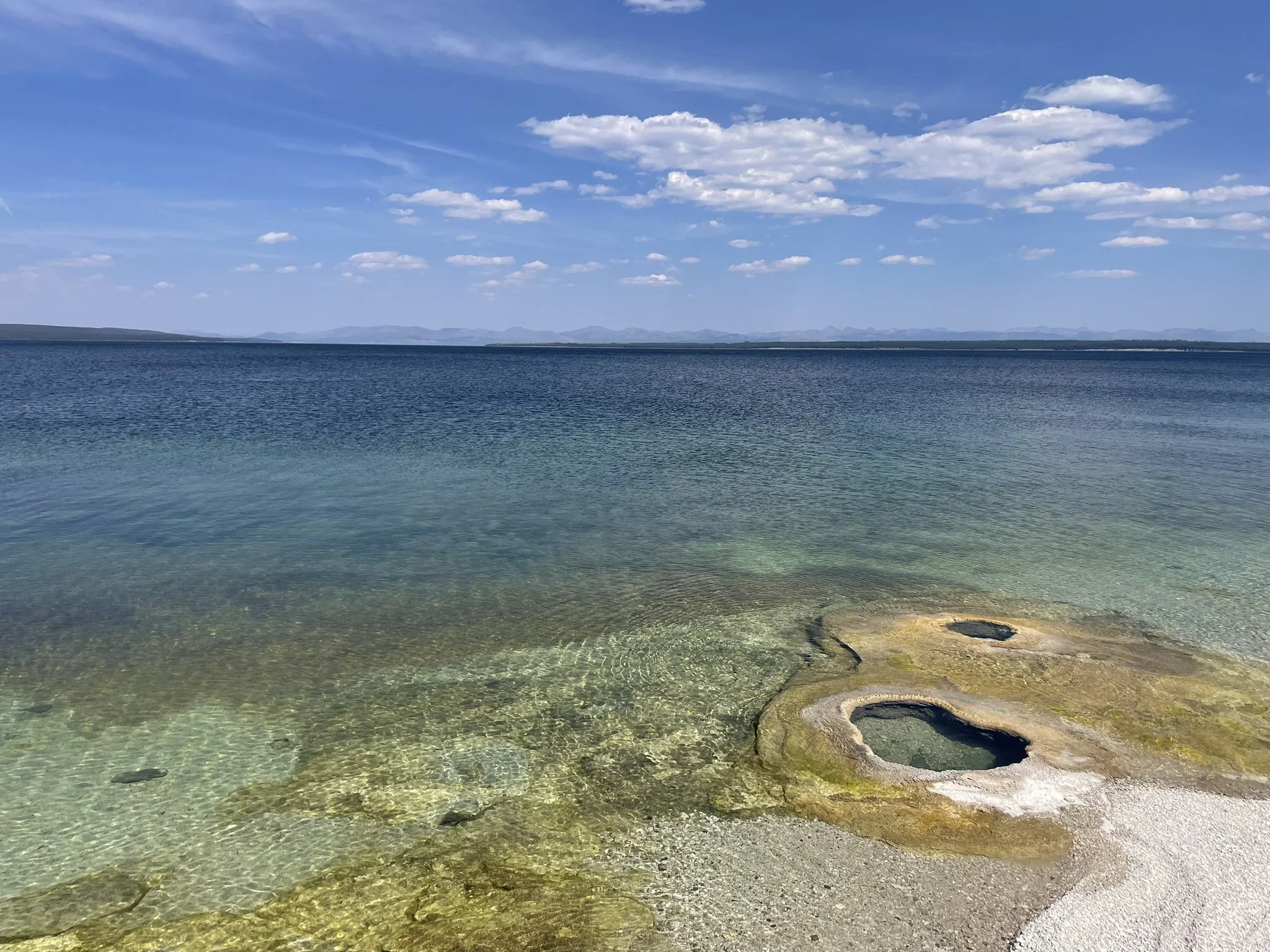
This trove includes over half of Earth’s total active geysers (most famously Old Faithful, aptly named for its relatively predictable eruption schedule), as well as pools, mud pots, travertine terraces, and fumaroles. Each one is a visible expression of the colossal volcanic system pulsing beneath the park.
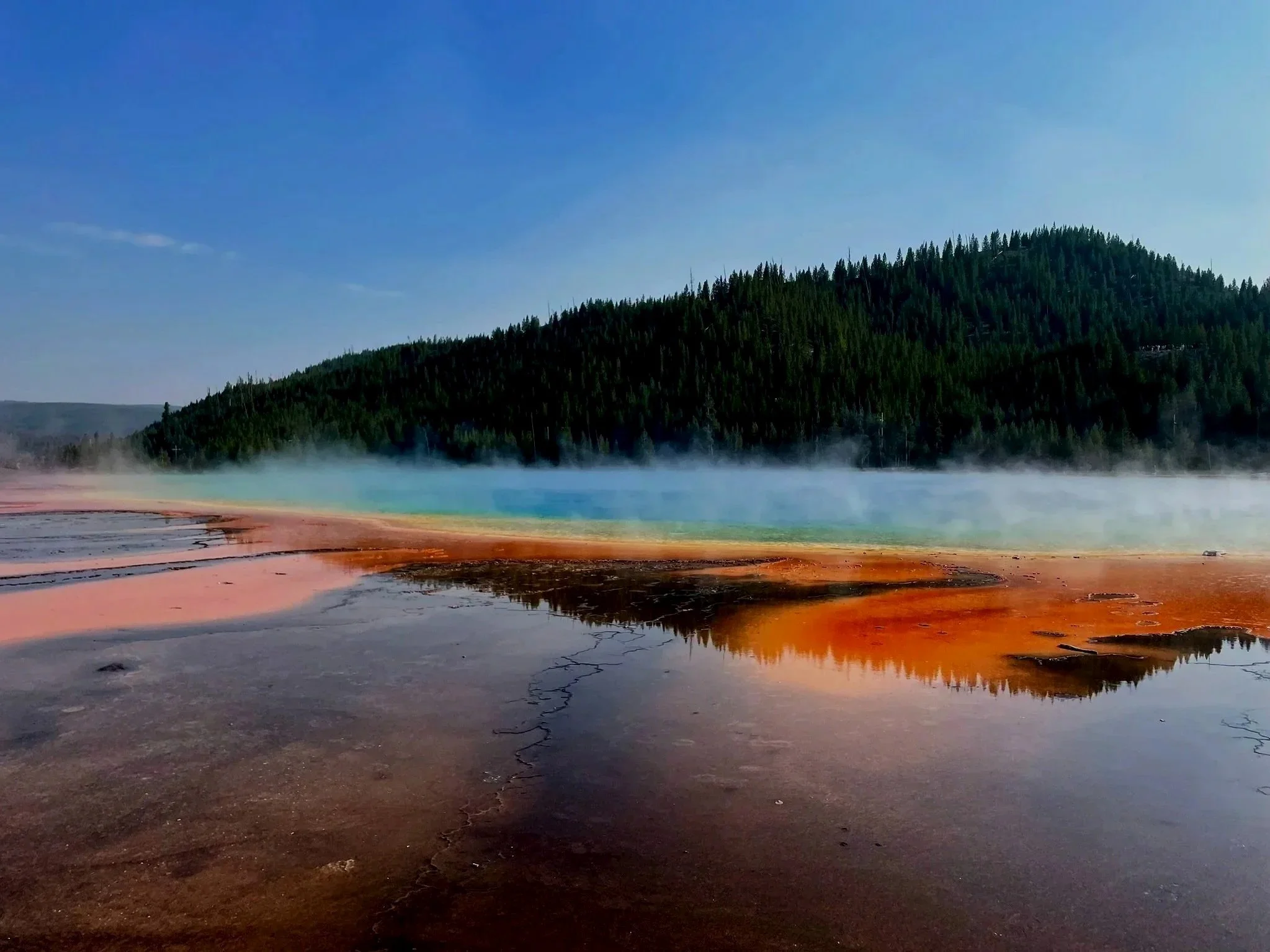
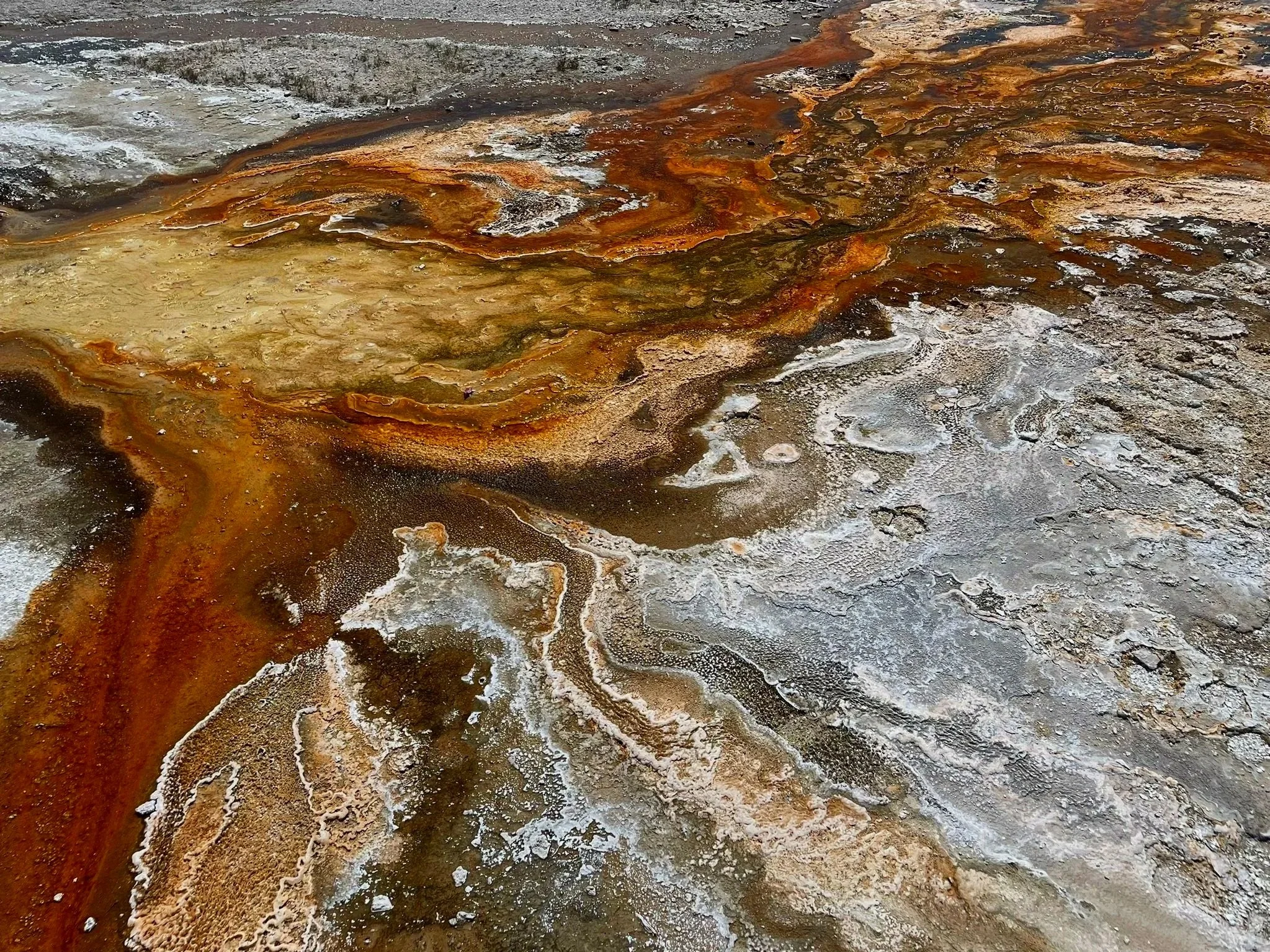
Grand Prismatic Spring shimmers among this vast array of steaming, spurting, skyrocketing spectacles. The largest hot spring in the country (and the third-largest in the world), it’s home to countless thermophiles, microorganisms capable of surviving in its scalding waters. The spring’s center, which reaches more than 120 feet deep and approximately 190°F, is too inhospitable for most of even these heat-loving microbes. But the water shallows and cools as it stretches toward the spring’s rim, creating a gradient of temperatures at which different communities of thermophiles occur and thrive.
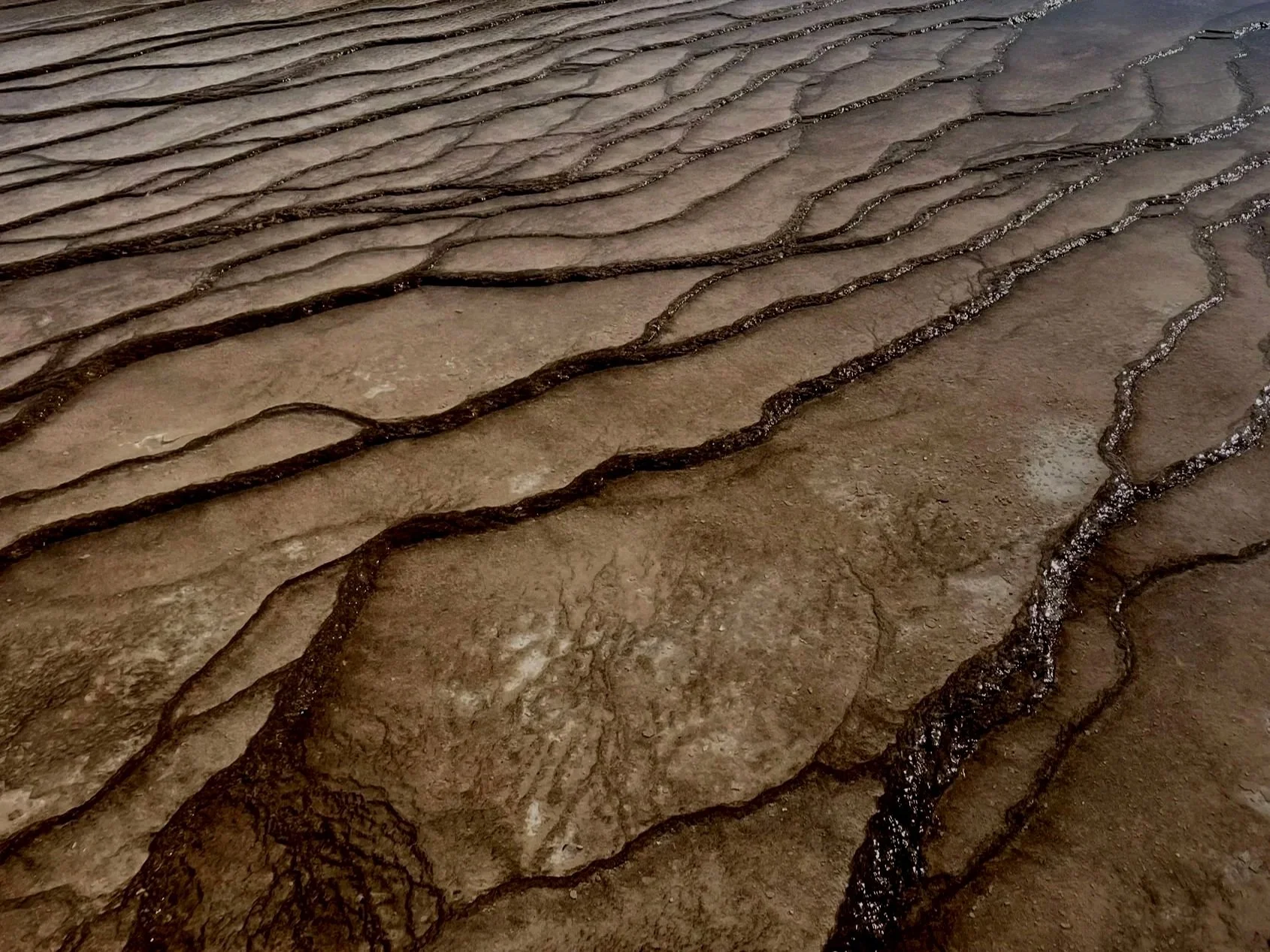
The result — distinct bands of color against the underlying rhyolite — is resplendent. Grand Prismatic’s rainbow palette ripples beneath the water’s surface as steam swirls in cool, interloping breezes. From above, the spring resembles a massive, electric-blue eye lined in olive, gold, and wrinkles of rust amid a face of marbled skin.